
Lake Charles Fishing in Fall: What to Expect Inshore
Fall Inshore Fishing Awaits
Book a late season trip with Captain Casey out of Lake Charles.
Published:
Updated:
Late November changes how a day on the water feels. The mornings turn crisp, the light gets lower and softer, and the crowds that fill the boat ramps in summer thin out. If you are weighing a Lake Charles fishing trip in fall, it helps to know what shifts with the season before you pick a date and pack your bag.
This guide is about planning, not promises. Nobody can tell you exactly what the water will do on a given morning in late fall, and an honest article should not pretend otherwise. What it can do is walk you through how cooler weather affects your comfort, your choices and your expectations, so you head out with a realistic picture.
Why Late Fall Is Worth Planning Around
Cooler air changes the whole rhythm of an inshore trip. Summer fishing often means beating the heat and wrapping up early. Late fall flips that, because a comfortable day on the water can stretch longer once the sun is up and the chill burns off. Many anglers find the season easier on them, even if it asks for more thought about clothing.
Conditions also move around more this time of year. Cold fronts can swing the wind direction, change how the water looks, and shift how the day plays out from one trip to the next. That is part of the appeal for people who like reading the water, and part of the challenge for people who just want a smooth outing. Going in with flexible expectations makes the whole day better.
The Three Targets on the Board
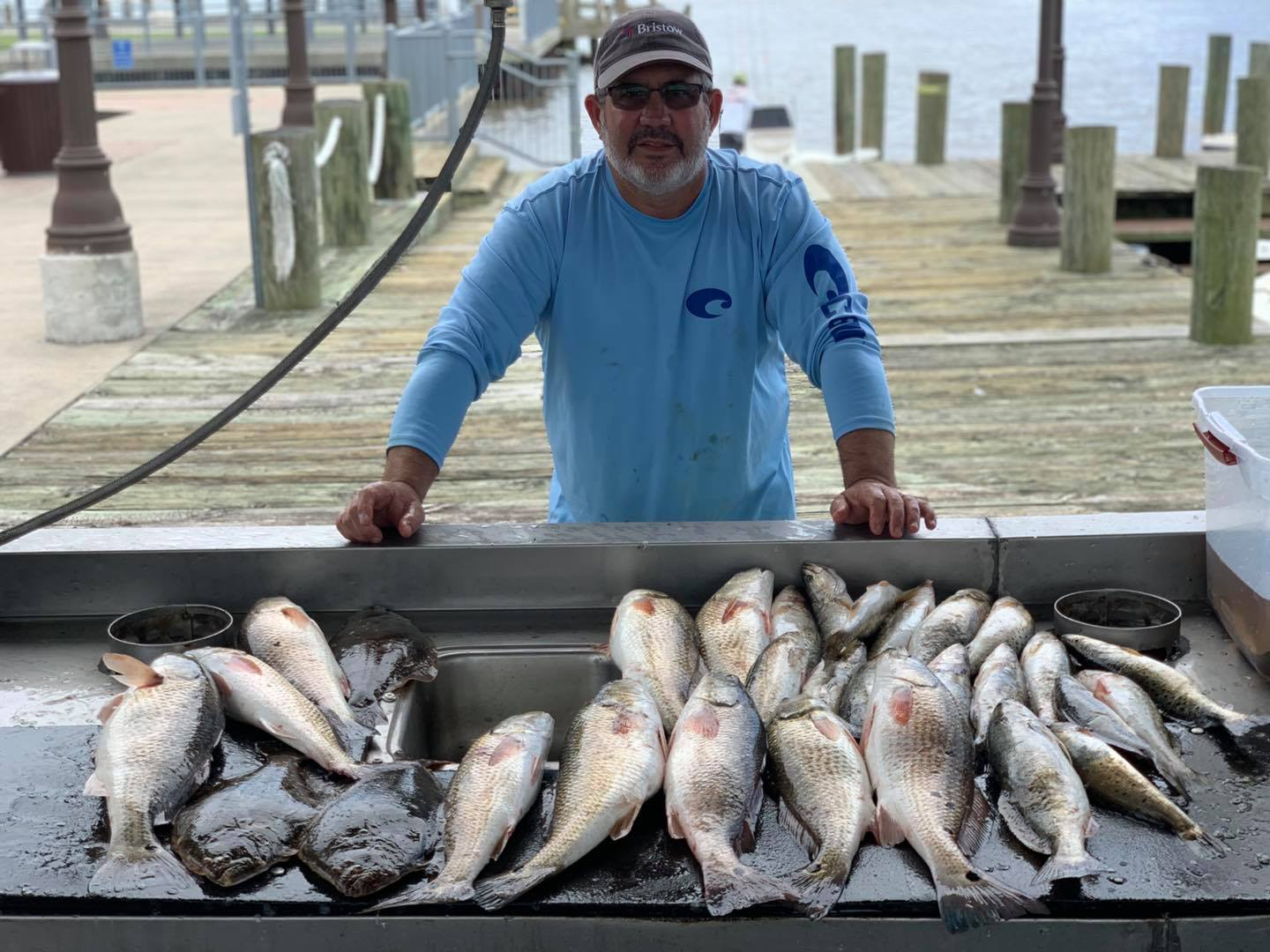
Inshore fishing in Louisiana is popular for good reason, and the species Daybreak Fishing Charters focuses on are speckled trout, redfish and flounder. Each one asks something a little different of the angler. Trout reward patience and a light touch, redfish bring a stronger fight, and flounder call for slowing down and paying attention to the bottom.
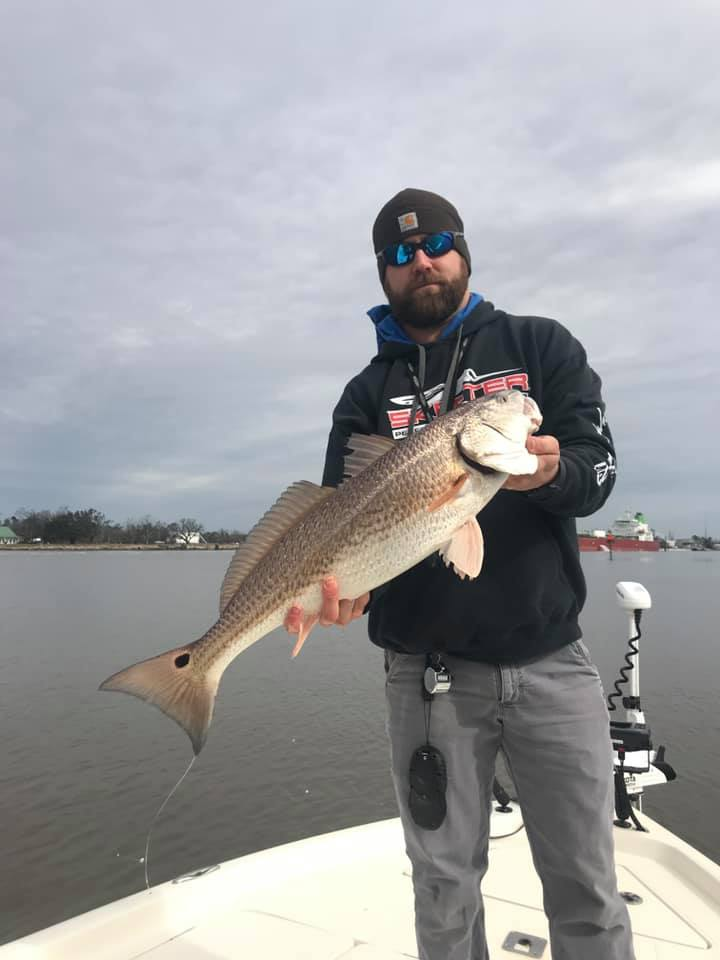
How these fish behave in late fall is something local knowledge matters for. Where they sit, how they feed and what they respond to can change as the weather turns. A guide who spends time on these waters is watching those patterns all the time, which is hard to match with a single visit of your own. That is not a guarantee of any particular catch. It is simply a better starting point than guessing.
Dressing and Packing for Cooler Mornings
Comfort is the part of late fall planning that people most often underestimate. A boat moving across open water feels colder than the air temperature suggests, especially early in the day. Wind off the water cuts through a thin jacket quickly, and a cold angler loses focus fast.
Layers solve most of it. You can peel them off as the day warms up and add them back if a breeze picks up. A few things are worth putting on your list before you go:
- A wind-resistant outer layer you can zip up or shed easily
- Warm socks and closed, non-slip shoes for the deck
- A hat and gloves for the early run out
- Sunglasses, since low fall sun can be bright on the water
Check with the captain about what is already on board and what you should bring yourself. Details like that are best settled when you book, not on the dock the morning of the trip.
Why a Guided Trip Helps When Conditions Change
The case for a guide gets stronger as conditions get less predictable. Late fall is exactly that stretch, when yesterday's pattern may not hold today. Captain Casey Sonnier runs Daybreak Fishing Charters out of Lake Charles aboard a 24 foot Skeeter bay boat powered by a 300 HP Yamaha. The boat carries up to three anglers and comes equipped with GPS, a fishfinder and VHF radio, along with a livewell for live bait.
That kind of setup matters on a day when you may need to move around to find fish. Electronics help with navigation and with reading what is below the boat, and a captain who knows the area can decide when to stay put and when to run somewhere else. You spend more of your time fishing and less of it wondering where to go. For anglers who are newer to inshore water, that guidance can be the difference between a frustrating morning and a good one.
Experienced anglers get something out of it too. If you already know how to fish but not these particular waters, a day with a local captain is a quick way to learn how the area works in this season. You can ask questions, watch how decisions get made, and take that knowledge home.
Matching a Trip to Your Own Goals
Not everyone wants the same day on the water. Some people are looking for hands-on instruction and a chance to build confidence. Others want to refine their approach and spend more time reading the water. Some simply want a break from their usual routine and a day pursuing redfish, trout and flounder with a friendly captain.
Daybreak Fishing Charters offers inshore trips shaped around those different goals, so it is worth telling the captain what you are after when you reach out. A first-timer and a seasoned angler may both fish the same waters, but the day can look quite different depending on what each person wants to get out of it. Being upfront helps the captain plan.
Planning Your Late November Trip
Start by deciding who is coming and what kind of day you want. The boat holds up to three anglers, so a small group or a family outing fits well. Then think about flexibility, because weather can nudge a date around in this season and a little give in your schedule makes the whole thing easier.
From there, reach out to Captain Casey with your questions about timing, what to bring and what to expect on the water. Late fall fishing out of Lake Charles rewards people who show up prepared, dressed warmly and open to however the day unfolds. Get those pieces in place and the rest is the part you came for.
